








Campers built a self-powered flashlight, turning a hand crank into enough electricity to light an LED.

Project Spotlight:

Vacuum Form Maze Craze

Craft a wooden frame and mold custom plastic pathways to bring your own maze to life!

What We Built

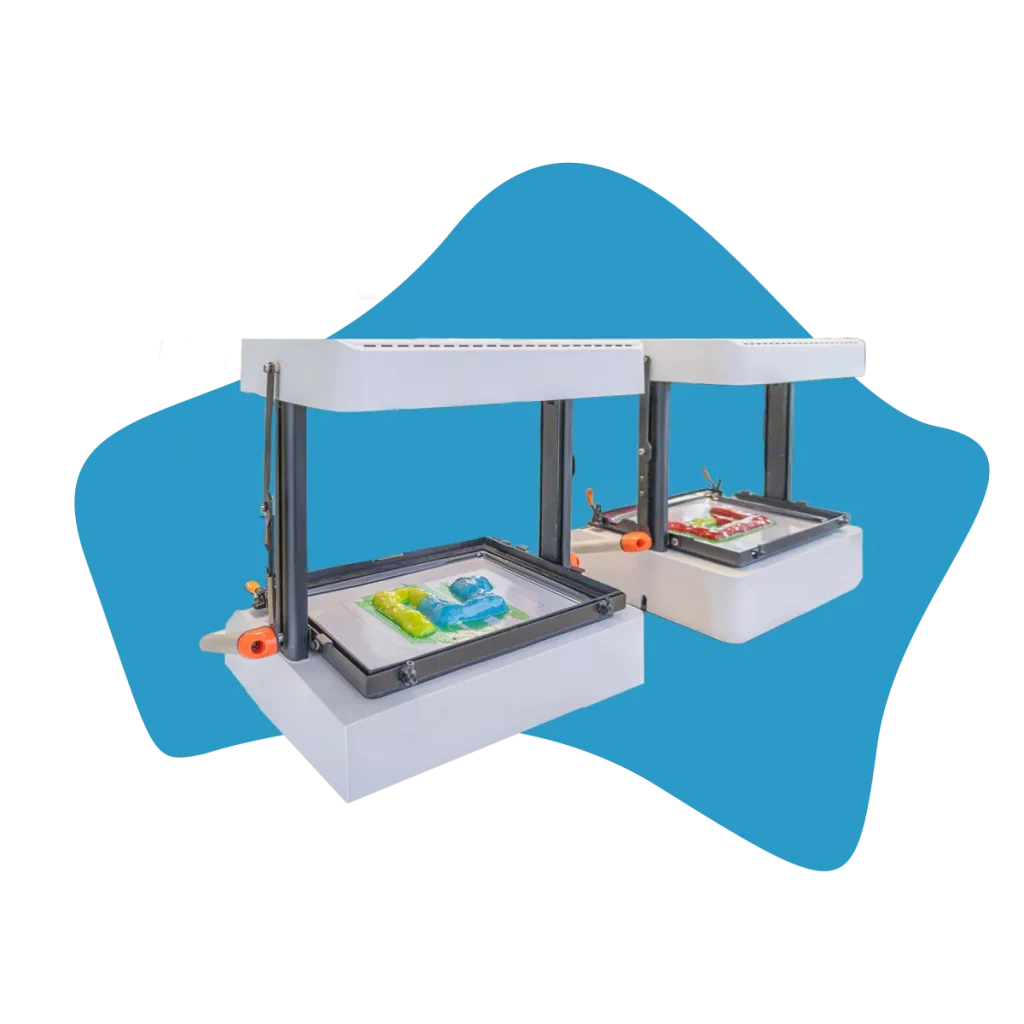
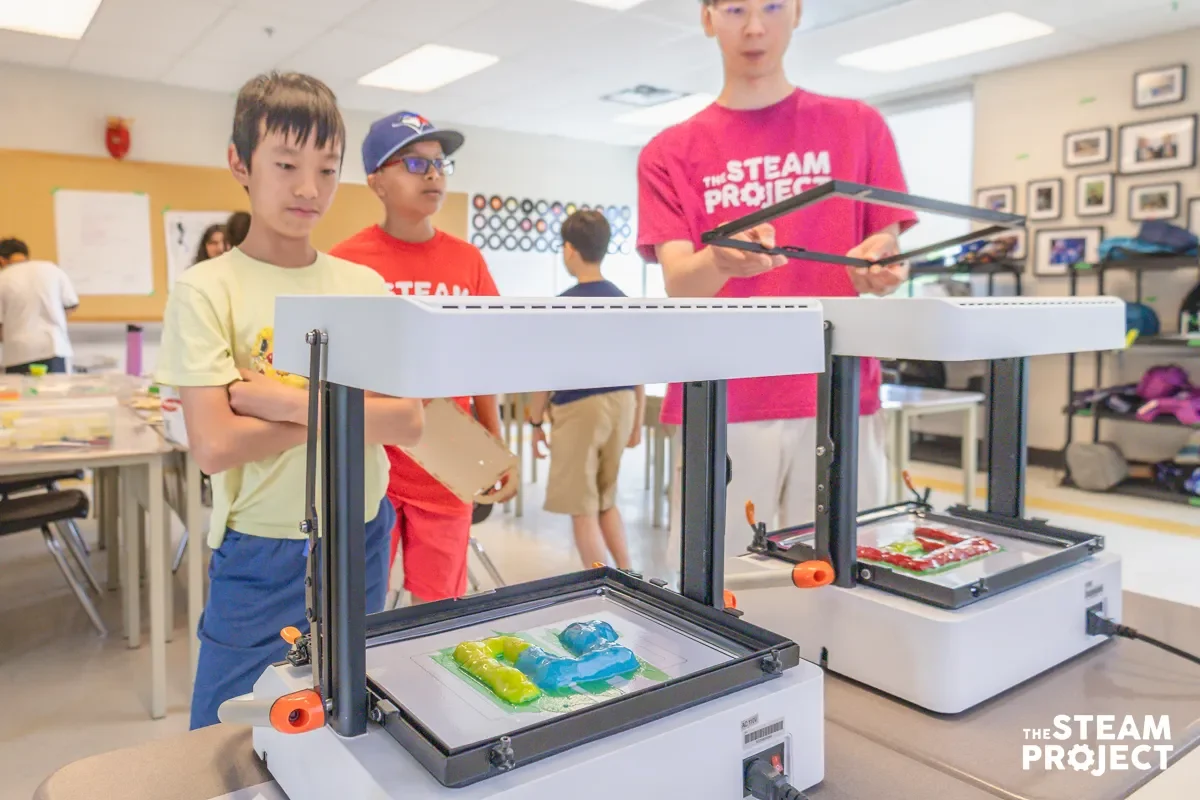
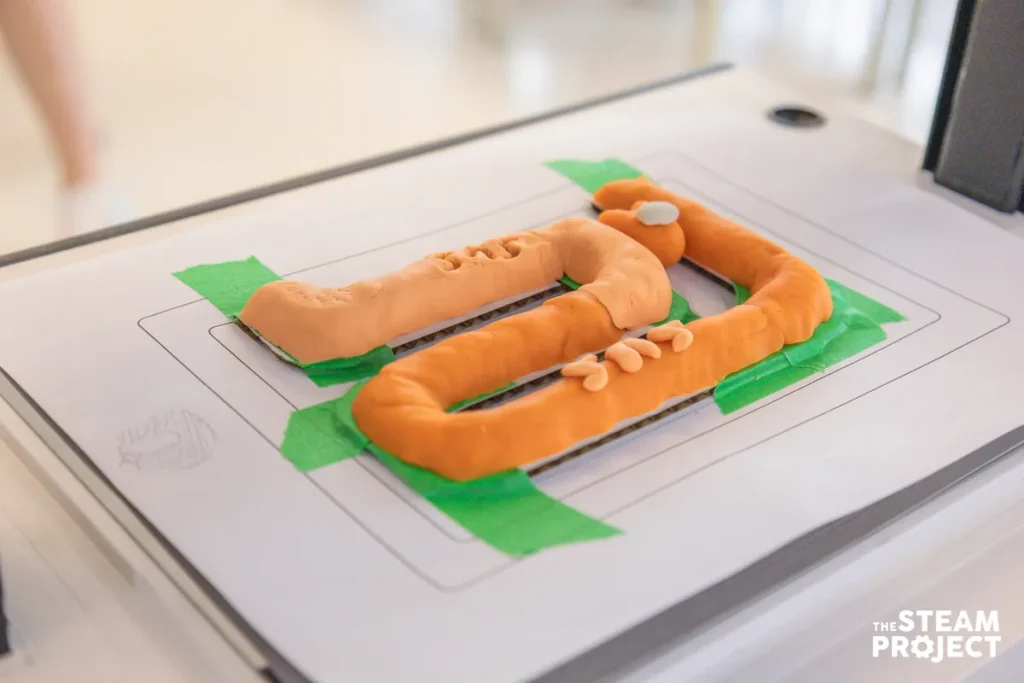
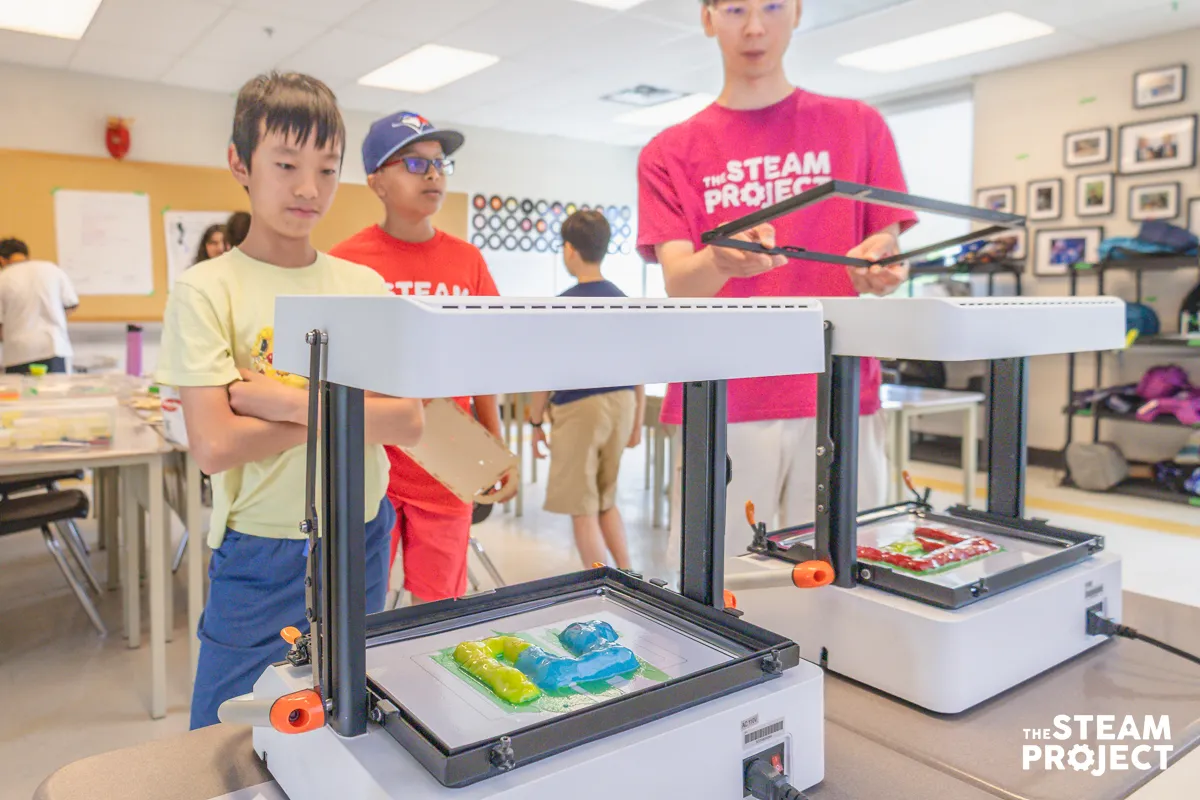
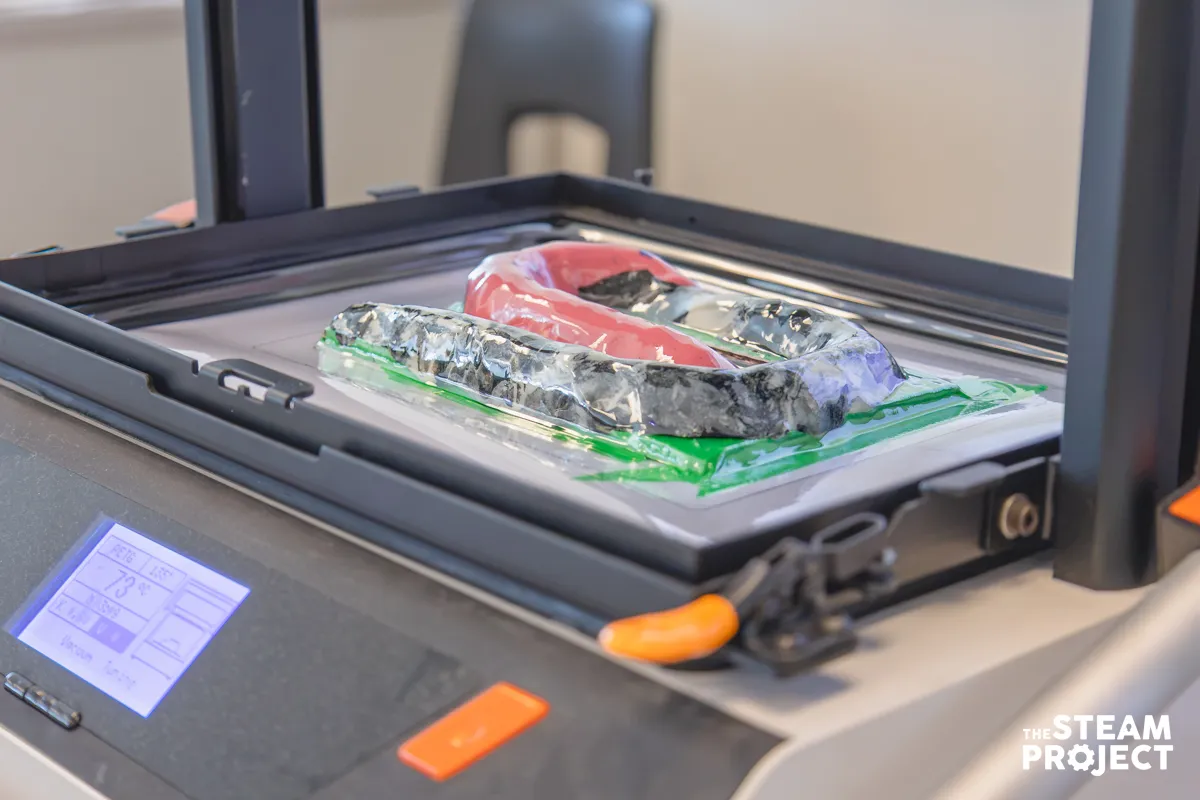
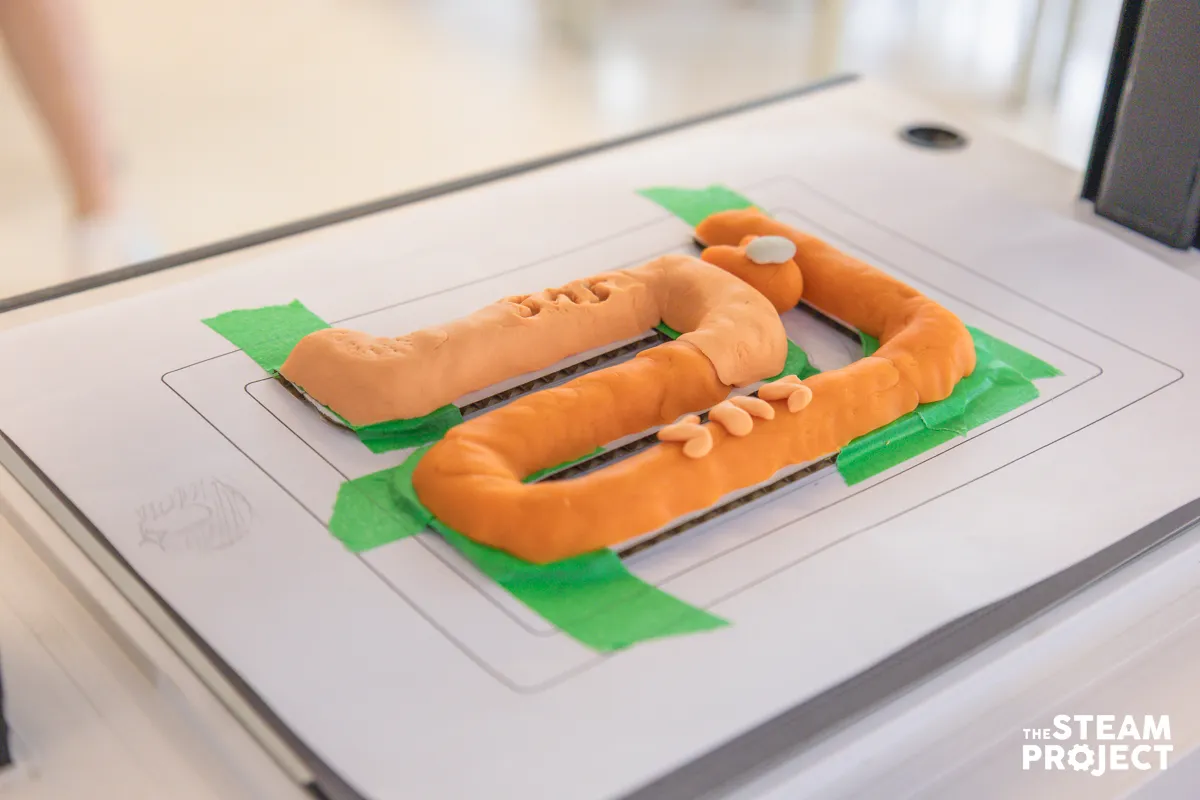
Makers sketched, built, and assembled a one-of-a-kind labyrinth using wood and vacuum-formed plastic. After testing and refining their designs, they created a playable maze with a clear start, finish, and challenging pathways.

Vacuum Maze Craze (6)

What We Built

Turning physical motion into electric power, campers wired an LED to a hand-cranked generator, then built a wooden housing to hold it all together.


What We Learned

Maze Logic

Structural design of pathways, barriers, and strategic problem-solving.

Vacuum Forming

How heat and air shape plastic into custom forms.

Design & Construction

Built, tested, and improved a functional maze through iteration.

Skills in Action

Build Story

Challenge — Design a fun and functional maze.

Process — Build the frame, form the plastic, and test the maze.

Result — Custom labyrinth that’s engaging and fun!

How We Ensure Safety

Photo Gallery

Ask Your Child

  • What makes a maze challenging but fair?
  • How does a vacuum forming machine change the shape of the plastic?
  • Can you explain your strategy for making the maze more engaging?

Extend at Home

Go on a “Pathways Hunt”! Look at maps, board games, or even the layout of your local neighborhood. Talk about how different paths, dead ends, and open areas are designed to guide movement, just like the barriers and pathways in your Maze Craze project.

Post Build Follow Up

Designed by

Name of Designer, Position

Lorem ipsum dolor sit amet, consectetur adipiscing elit, sed do eiusmod tempor incididunt ut labore.

Sub-Header

Header

Lorem ipsum dolor sit amet, consectetur adipiscing elit, sed do eiusmod tempor incididunt ut labore.

Contact Us